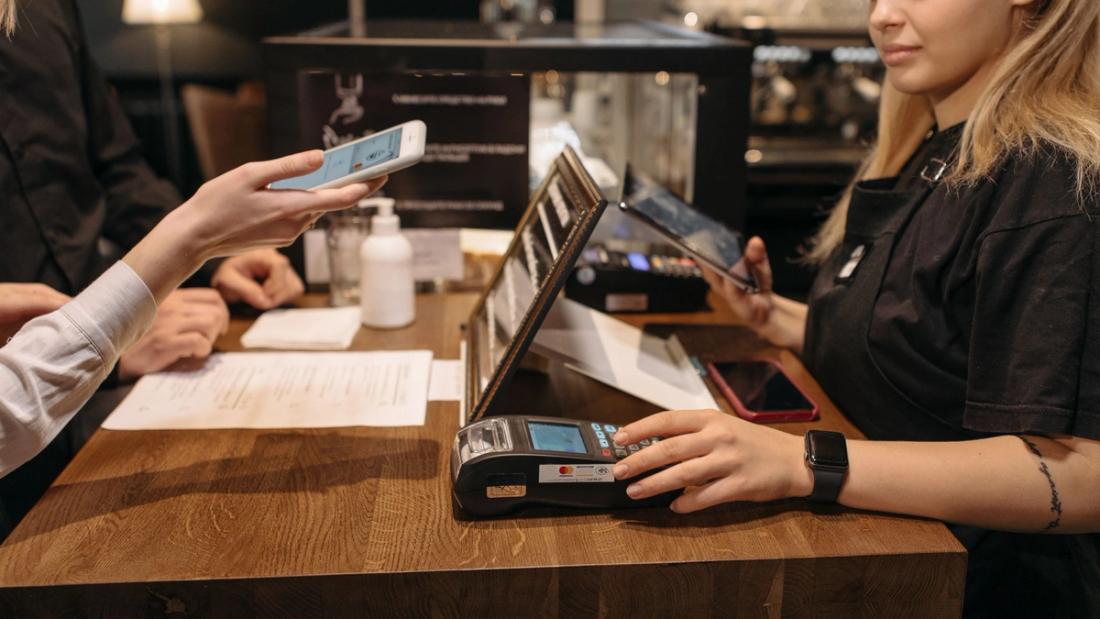
Card surcharges have been banned since 1 October. Buy now, pay later sits outside that ban, and the Reserve Bank has reopened the question of whether it should stay that way.
What's happening
The Reserve Bank's Review of Payments System Regulation, set out in a June 2026 Issues Paper, gives buy now, pay later its own chapter. The paper notes that BNPL transactions have more than doubled in five years and account for about 2 per cent of retail payments in 2025, then asks whether there is a case for regulatory action.
It also brings back a 2021 finding. The RBA concluded then that requiring BNPL providers to allow surcharging would promote competition and efficiency in the payments system, but it did not make rules because of uncertainty over whether BNPL sat within its powers. Since 2025, BNPL has been regulated as consumer credit under the National Consumer Credit Protection Act, which ASIC administers.
The timetable is long. Submissions on the Issues Paper closed on 7 August 2026. The RBA expects to publish a list of regulatory priorities by the end of 2026, and plans to begin public consultation on those priorities by mid-2027, with a conclusions paper after that.
What it means for diners
Nothing changes at the counter for now. Paying with a BNPL app, a card or a phone wallet carries no surcharge, and a cafe cannot add one to a BNPL transaction while most providers' no-surcharge rules stand.
The review is also looking at mobile wallets, which now carry a lot of everyday spending. By the end of 2025, Apple Pay, Google Pay and Samsung Pay together accounted for around 45 per cent of all card payments by number, and the RBA estimates wallet-initiated transactions cost card issuers about 2 cents per debit payment and 0.06 per cent of value on credit.
What it means for businesses
Merchants already pay BNPL providers a fee on each sale and cannot pass it on, while the RBA's paper notes that BNPL lets merchants be paid upfront and can support higher sales. Its 2021 conclusion was that allowing surcharges would sharpen price signals at the till, and the paper now asks whether there is a case to act on that.
What it means for you
Treat this as a timetable rather than a decision. The RBA has asked open questions and has not proposed a rule, and any consultation on the question would start after the priorities list lands at the end of 2026.
Until then, card surcharges stay banned and the advertised price is the price you pay. If a venue adds a fee for paying by card, the ACCC publishes guidance on what businesses can and cannot charge.
Happy dining! G