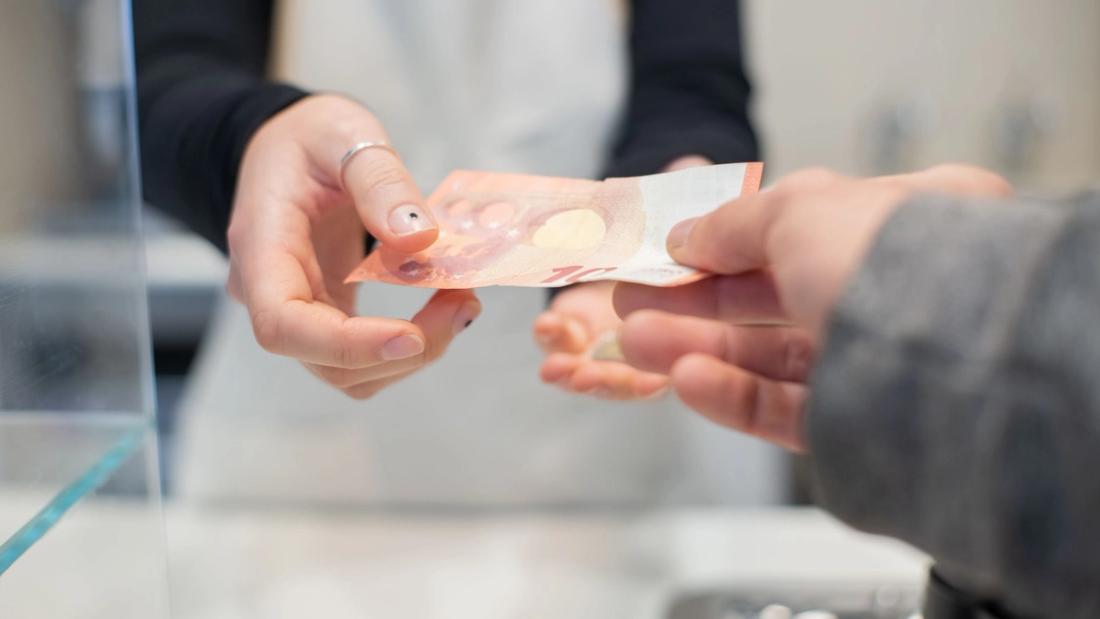
Since card surcharges ended on 1 October, some shops and cafes have begun offering discounts to customers who pay cash. The RBA’s latest survey puts cash at around 15 per cent of payments in 2025, up from about 13 per cent in 2022, with about half of Australians using it in a typical week. Getting the cash is where the fees turn up.
What's happening?
Money magazine reported on Wednesday that Australia has about 22,000 ATMs, down from more than 32,000 in 2016; just under 5,000 are run by banks, less than half of seven years ago. Independent machines, often installed in shops, pubs and clubs, make up the rest: the RBA puts them at around 80 per cent of the fleet in 2025, and says they generally charge a fee, while bank-owned ATMs are typically fee-free even to non-customers.
“If it’s an independently-owned ATM … it’s almost certain that users will be charged a fee,” NGM chief operating officer Stuart Hall told Money. “Typically, you’ll be charged something like $2 or $3.50.”
An ATM fee is a direct charge by the machine’s operator, shown on screen before the withdrawal goes through. It sits outside the card surcharge rules that changed on 1 October, which cover the extra a business adds when you pay by card, and which the ACCC has warned businesses against relabelling as a service fee.
Who it affects
For anyone who wants cash, the fee-free options are thinning out: the RBA says 95 per cent of Australians lived within 9km of a bank-owned ATM in 2019, and by 2025 that had stretched to about 12km. Independent machines run on a placement model: the operator funds the terminal, the cash and the servicing, while the venue hosting it can earn a share of the fee.
Regulators are testing an alternative. On 16 September the ACCC authorised the Australian Banking Association’s Regional ATM Trial: 20 ATMs in regional and remote areas where anyone with an Australian-issued card can withdraw fee-free, for three years to October 2029. About half are expected to take deposits too, though fee-free deposits would be for participating banks’ customers. The RBA supported the trial in principle, noting shared networks can consolidate cash services.
For businesses, the RBA’s 2025 survey found more than two-thirds of cash-accepting merchants reported challenges taking cash, including difficulty getting change for floats and depositing their takings.
What it means for you
Check the machine before you withdraw. Your own bank’s ATMs are fee-free, and most major banks no longer charge non-customers, so a machine with a well-known bank logo is usually the cheaper stop; some banks also refund fees from independent machines. Use a debit card rather than a credit card, since credit cash advances attract a fee and interest from day one. A fee screen is a prompt, not a charge: cancelling costs nothing.
Happy dining! G