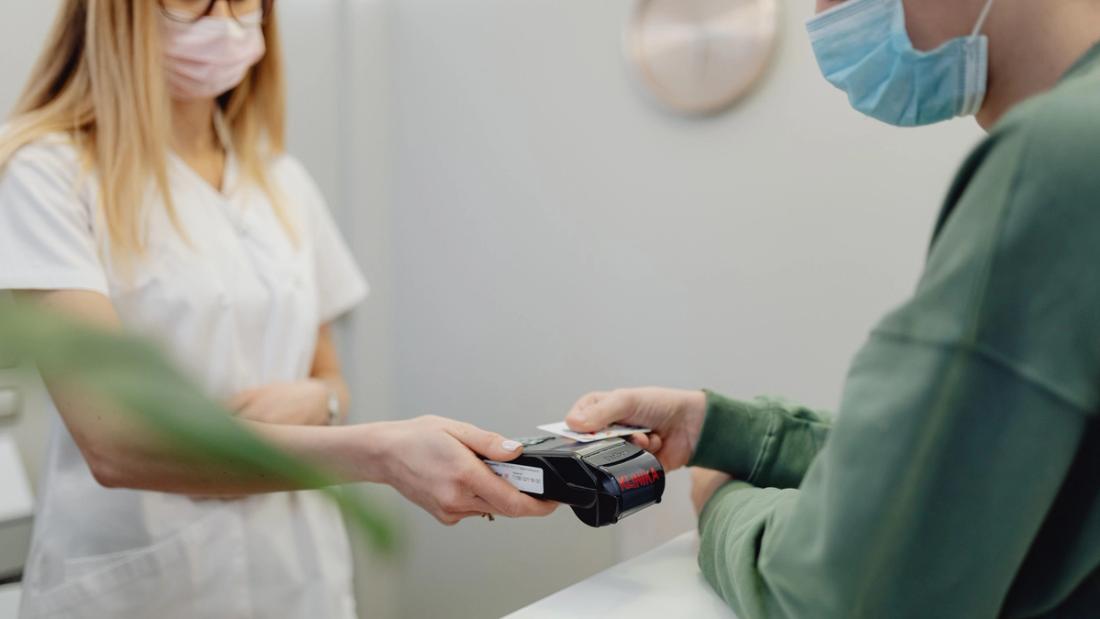
Card surcharging ended on 1 October. Ten days on, the cost is showing up beyond the till: the Australian Financial Review reported on Friday that some GP clinics and private hospitals are raising consultation fees and other charges for patients.
What's happening?
Since 1 October, businesses cannot add a surcharge when a customer pays by eftpos, Visa, Mastercard or American Express. Renaming it an administration fee is not compliant, and the merchant fee a practice pays on every card transaction has not changed.
Medical Republic reports one accountant's estimate that the cost comes to between $2,000 and $5,000 a year for a full-time GP. Online booking platform HotDoc has also changed how it charges: the 1.75 per cent plus 30 cent fee practices could pass on is gone, replaced by a flat $2.45 platform fee on payments made through HotDoc.
Who it affects
For patients
A card surcharge line should have disappeared from your receipt. If one still appears on a card payment, the ACCC's guidance is to raise it with the business, the card network or the payment provider, which enforce the rule rather than the ACCC. Under the Medicare Benefits Schedule, a bulk-billed service must be accepted as full payment, so a booking fee cannot be added to it. The same Financial Review report said patient groups want private hospitals and doctors to be clearer about fees before treatment.
For practices
Raising fees is allowed, as long as the increase is a change to the price rather than a card surcharge under another name. The RBA's guidance is that card costs can be reflected in overall pricing, and the ACCC says the explanation for a price rise must be accurate: an increase that also covers other costs cannot be blamed on the ban. Discounts for paying by cash or PayID are allowed, provided both prices are clear. The interchange cap on consumer credit cards fell from 0.80 per cent to 0.30 per cent on 1 October, which the RBA estimates is worth about $910 million a year to merchants.
What it means for you
For patients, the practical change is where the money shows up rather than whether it is there. Ask what a consultation costs and how the practice prefers to be paid before you book. If a card surcharge is added on top, ask for it to be removed and keep the receipt; if a fee has risen, the ACCC's test is whether the explanation for it is accurate. It is the same arithmetic that has been showing up in menu prices this month, where some cafes have lifted prices rather than wear the card costs.
Take care, G