CommBank has become one of the first Australian acquirers to publish what it charges shops to take a card. Its first quarterly merchant service fee report, posted on 30 October, shows merchants in its small-business category paying a higher average rate than its larger customers.
What's happening?
The Reserve Bank's March reforms require eftpos, Mastercard and Visa, plus acquirers processing more than $10 billion a year, to publish their fees every quarter. The RBA says the disclosures “will help businesses check how their fees compare”.
CommBank's first report covers July to September. Across all its direct merchants, the average merchant service fee was 0.55%. For merchants it classes as small, it was 0.86%, and for medium-sized merchants 0.70%. Within the small group, domestic credit payments made in person averaged 1.00%, against 0.72% across the whole book. Foreign cards carried the highest averages: 2.12% for debit and 2.27% for credit.
The fee takes in interchange, scheme fees and the acquirer's margin. It leaves out terminal rental and chargeback fees. CommBank also cut its single-rate EFTPOS merchant fee from 1.10% to 0.99% on 1 October, and will publish its first interchange pass-through report by 30 January 2027. Its interchange rates for domestically issued cards are now 0.30% for consumer credit, 0.80% for commercial credit and a maximum of 0.16% or 8 cents for debit and prepaid. The cap for foreign-issued cards drops to 1.00% on 1 April 2027.
Who it affects
For businesses, this is the first public benchmark for what a card payment costs. PayDay News reported on 3 November that CBA, NAB, Westpac and ANZ Worldline have published fee averages, while noting the disclosures leave small businesses without a complete picture of their card costs.
For diners, it is the cost that used to appear on the receipt as a surcharge. The RBA estimated 16% of merchants charged card surcharges in 2024-25, about $1.8 billion in total, of which consumers paid about $1.6 billion. Since 1 October those costs sit inside advertised prices instead, a shift the RBA expected to move measured consumer prices by about 0.1%, as a one-off. Merchants who have cut their rates are tracked here.
What it means for you
Nothing changes at the till. No card surcharge is returning, and weekend, public holiday, booking and service fees sit outside the ban, as they always did.
What is new is the number. A venue owner can hold the published averages against their own statement and see where they sit. A diner cannot see the fee at the counter any more, but it is no longer a private arrangement between the shop and its bank.
Happy dining! G
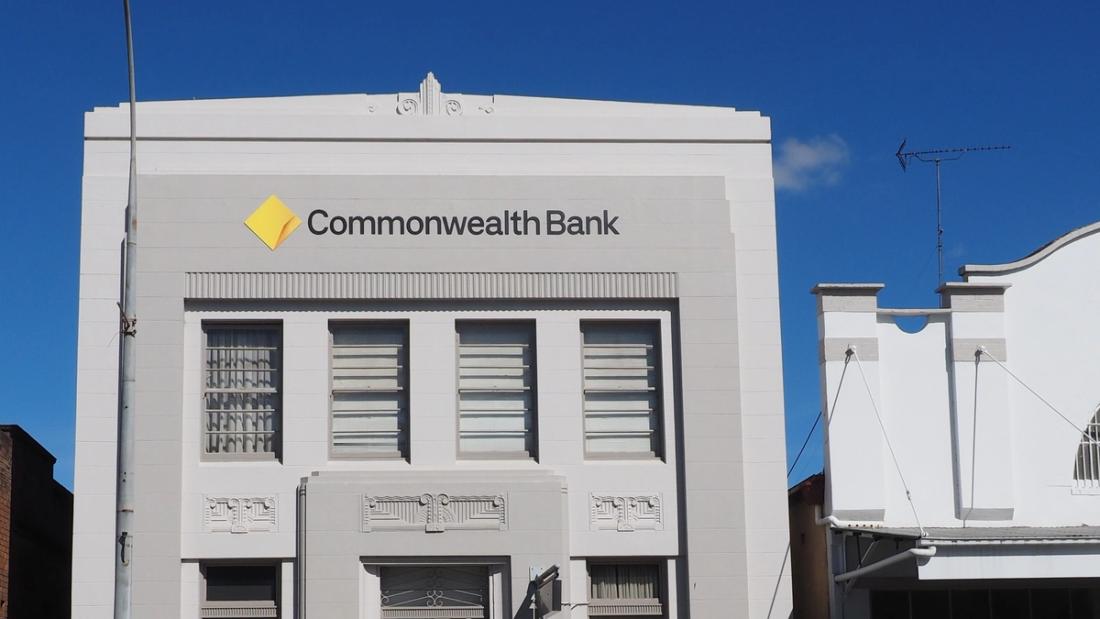
Feature image: Commonwealth Bank branch at Crookwell, New South Wales. Photo: Nick-D / Wikimedia Commons, CC BY-SA 4.0.