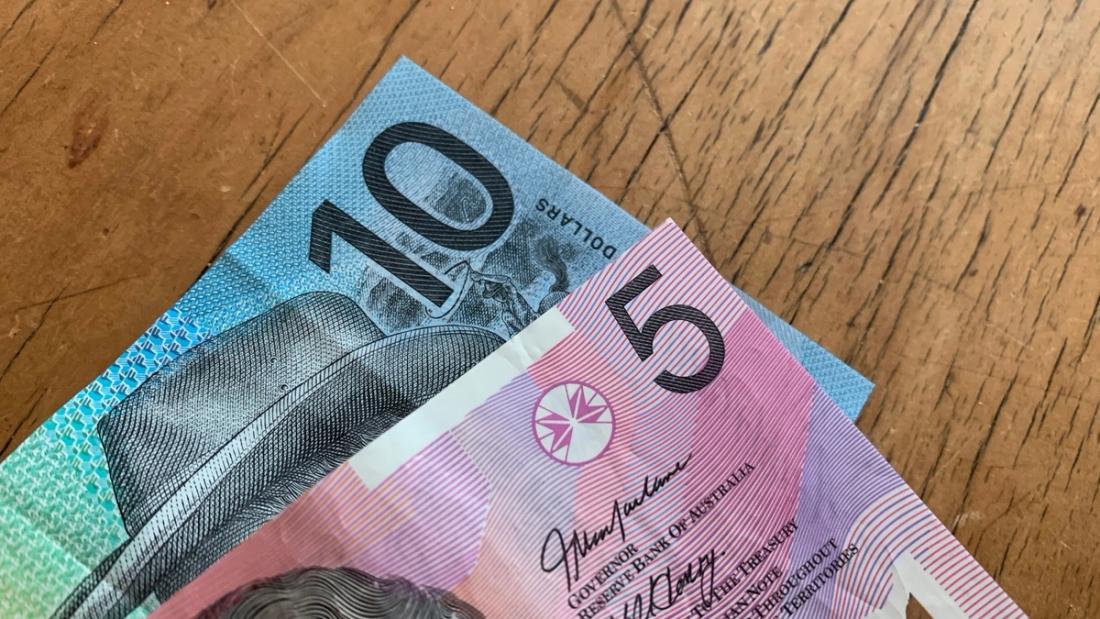
Nearly one in five Australians say they are using cash more often since card surcharges were removed on 1 October, according to a YouGov survey published today. Eighteen per cent said they use cash more often, 13 per cent said less often, and 60 per cent said nothing had changed.
What the survey found
The survey of 1,023 Australian adults, run between 2 and 4 November, found 45 per cent say their payment habits have changed. Younger consumers report the biggest differences: 58 per cent of Gen Z and 54 per cent of Millennials, against 45 per cent nationally.
Debit moved more than credit. Nineteen per cent said they use debit more often, against 15 per cent for credit. Eighteen per cent said they are making more small purchases by card, the same share that expected to in September, before the ban began. Among Gen Z it was 29 per cent, and Millennials 23 per cent.
Ten per cent said they spend more when they pay by card, including 18 per cent of Gen Z and 13 per cent of Millennials. In September, 17 per cent of both groups expected that.
What businesses are seeing
More small card purchases means more transactions carrying a merchant service fee. Those fees did not disappear on 1 October. The Reserve Bank's guidance says businesses will still incur costs for accepting cards, and that those costs can sit inside a business's overall pricing rather than be charged as a separate surcharge.
The Reserve Bank has also cut the cap on interchange for domestic consumer credit cards from 0.80 per cent to 0.30 per cent, and since 30 October card networks and large acquirers must publish the fees they charge. Large acquirers must begin reporting from 30 January 2027 on how those cuts have flowed through to merchant service fees.
The bank says businesses that want to steer customers to lower-cost payment methods can offer discounts rather than surcharges.
What it means for you
The survey suggests extra costs have been less visible than people expected. In September, 29 per cent anticipated new or increased fees and 26 per cent expected higher advertised prices. By November, 19 per cent had noticed new or increased fees, 19 per cent higher advertised prices, and 17 per cent had come across fewer unexpected charges.
Weekend and public holiday surcharges, and booking or service fees, did not change on 1 October. They are still allowed, and still need to be shown before you pay. If you think a business is applying a card surcharge, the Reserve Bank's advice is to raise it with the business first, then with the card network, the ACCC or your state consumer agency.
One caveat: these figures are what people say they do, not what their bank statements show, and the release does not publish a margin of error.
Happy dining! G